
Natural or alkalised cocoa powder: which one your factory needs
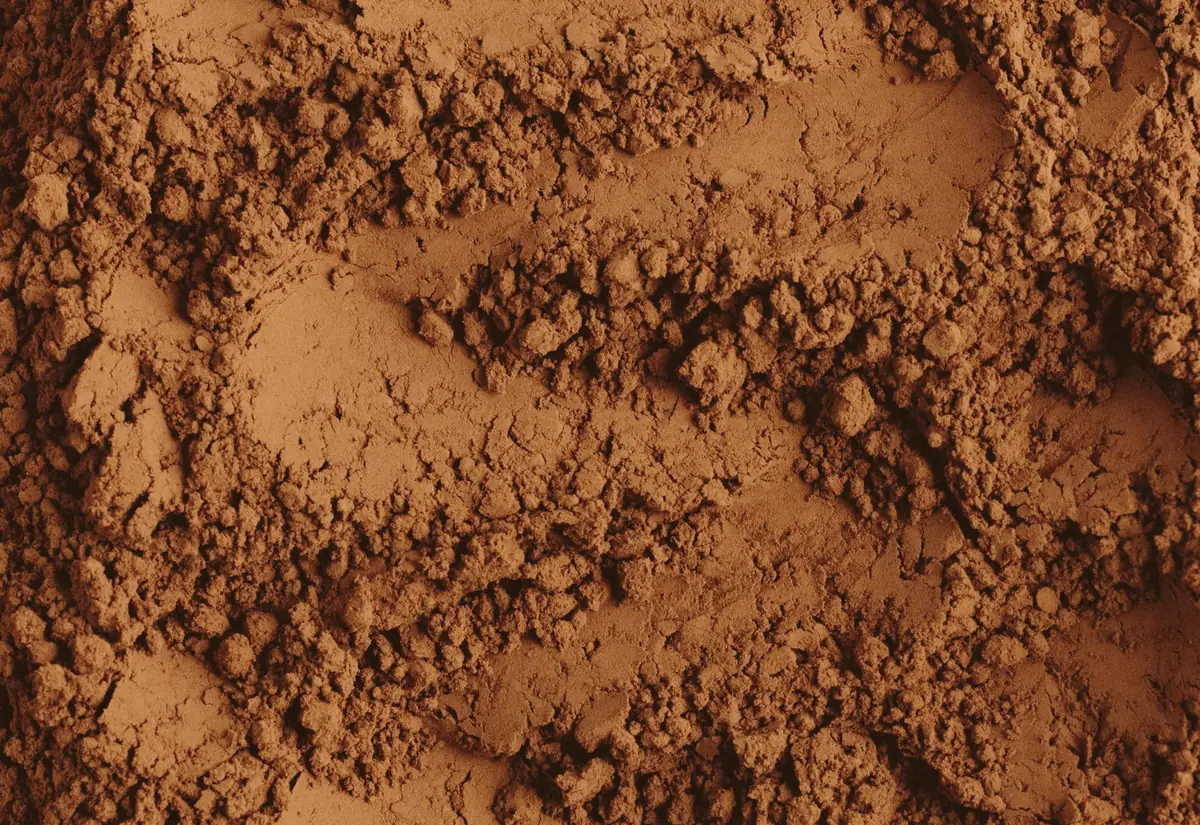
Choosing between natural and alkalised cocoa powder is not a matter of taste: it changes the colour, the flavour and how it behaves in your recipe.
Natural
Natural cocoa is not treated with alkali. It has a pH of 5.0 to 5.8, a light brown colour and a stronger, slightly acidic flavour. In baking it reacts with baking soda, so many biscuit and cake recipes rely on it.
Alkalised
Alkalised cocoa is treated with an alkali to raise its pH, usually to between 6.8 and 8.0. The result is a darker colour, from reddish to almost black, a milder flavour and better dispersion in liquids. It is the usual choice for cocoa drinks, ice cream, fillings and coatings.
10–12% or 20–22% fat
Butter content changes the mouthfeel. 10–12% is the standard for biscuits, fillings and industrial mixes. 20–22% gives a rounder flavour and is used in premium drinks and desserts.
What to ask for in the specification
- Fat content and pH
- Colour (with a reference or values)
- Fineness: percentage through a 75 µm sieve
- Moisture
- Microbiology: total plate count, yeasts and moulds, enterobacteria, salmonella
- Bio version, if you need it, with its certificate
Tell us your final product and recipe and we will suggest the right grade and send you a sample and specification sheet.